Morning Routine Set
Regular price
$114
Sale price
$98
Sets
Sets
Sets
Treat
Protect
Ingredient
Also known as: AHA, alpha hydroxy acid
An alpha hydroxy acid that loosens dull surface cells. Milder than glycolic acid, and a humectant as well.
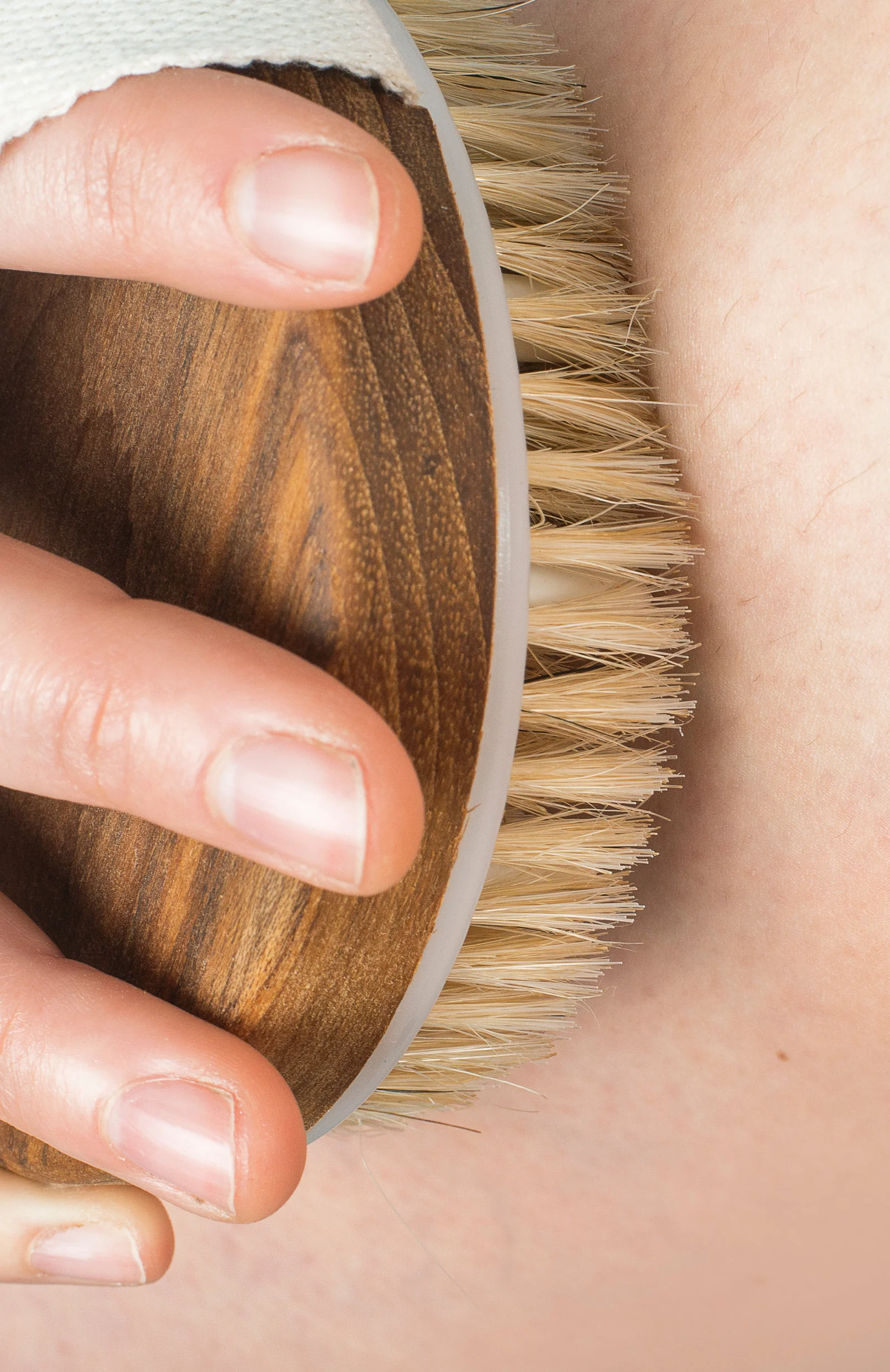
How we use it
At 5% with 2% mandelic acid, at a pH of about 3.8. A leave-on liquid, not a peel.
Evening, two or three times a week. Sweep over clean dry skin, avoid the eye area, then moisturise.
Mandelic acid, and a ceramide moisturiser afterwards. Sunscreen every morning.
Stinging that lasts longer than a minute means use it less often. Do not use on the same evening as retinal. AHAs make skin more sensitive to the sun, so use sunscreen daily and for a week after you stop.
This page is general information, not medical advice. Patch-test any new product.
In 1 product
Treat
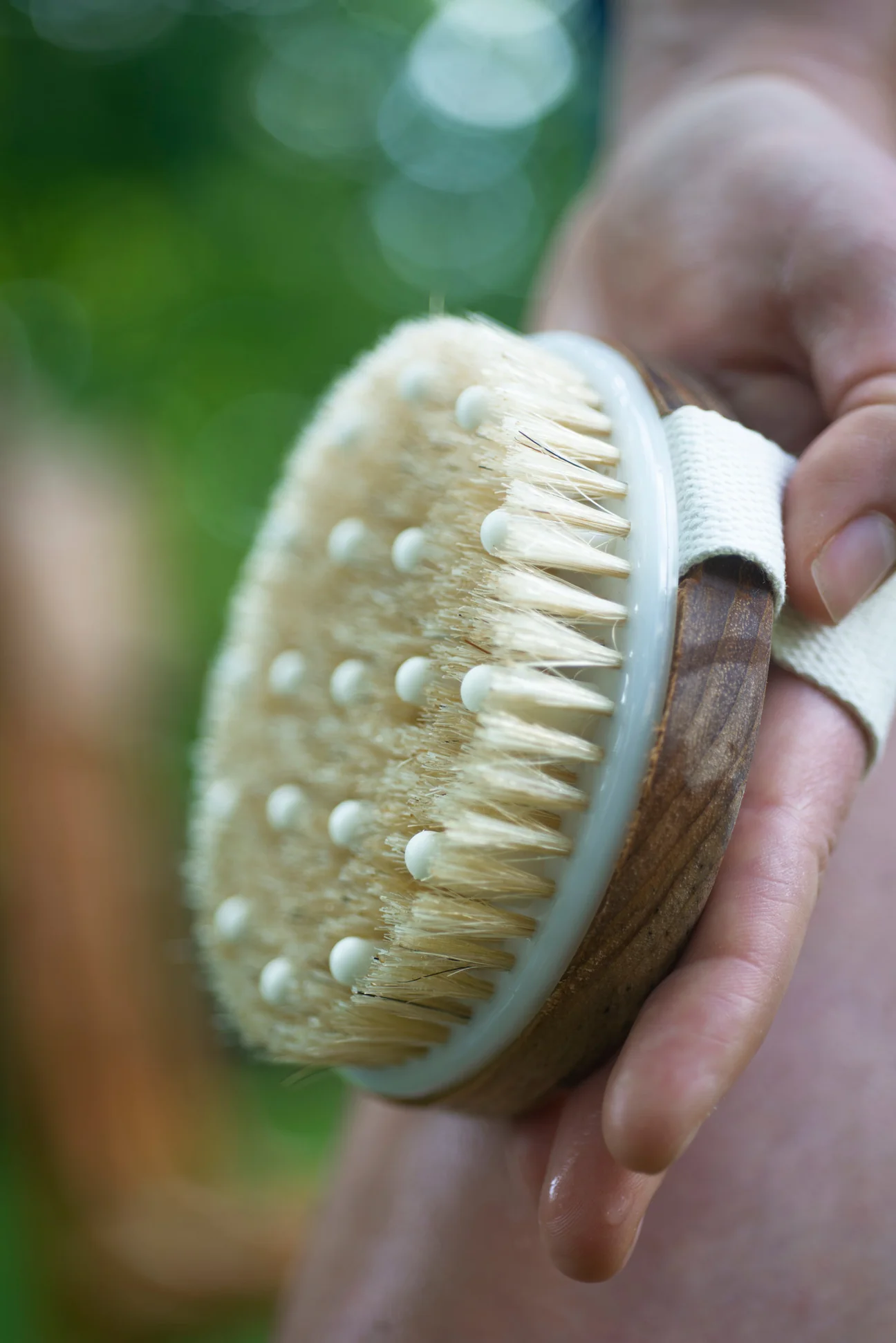
A larger, slower alpha hydroxy acid, originally derived from bitter almonds. Used alongside lactic acid.
In 1 product 2%
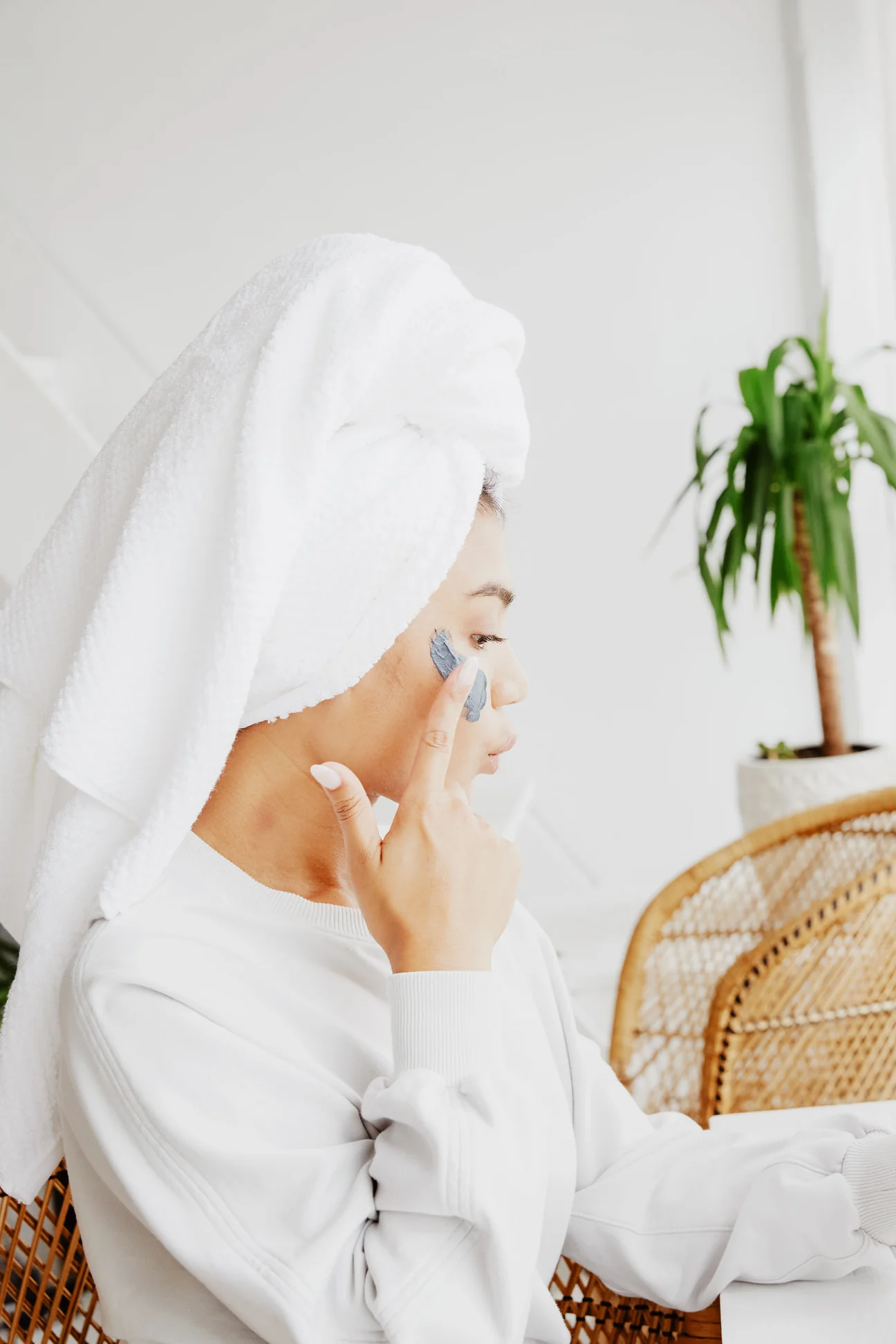
One of the lipids that make up the skin barrier. Added to creams to top up what dry skin is short of.
In 2 products 0.5 to 1%
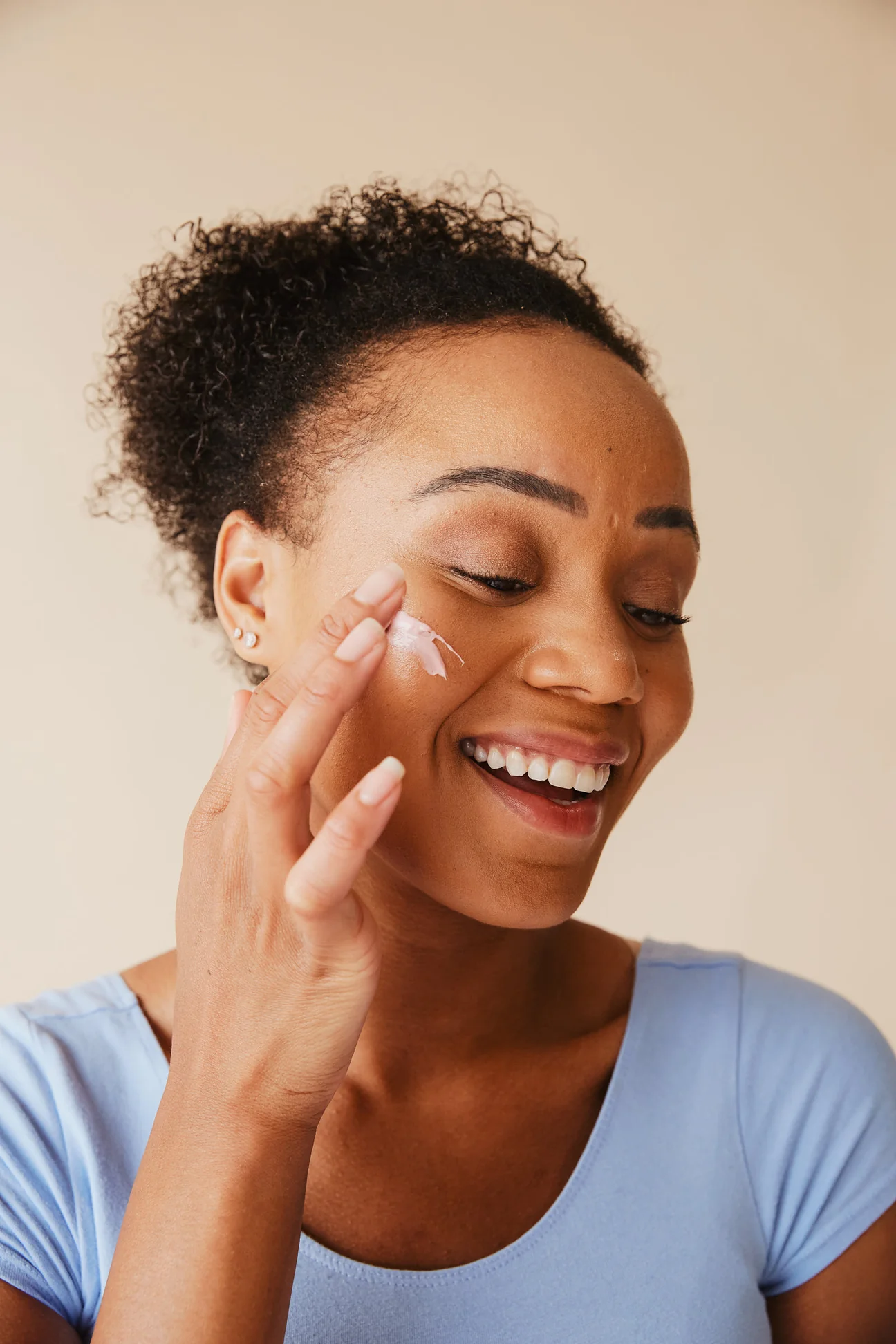
Provitamin B5. A humectant that also leaves skin feeling calm and comfortable.
In 1 product 2%